
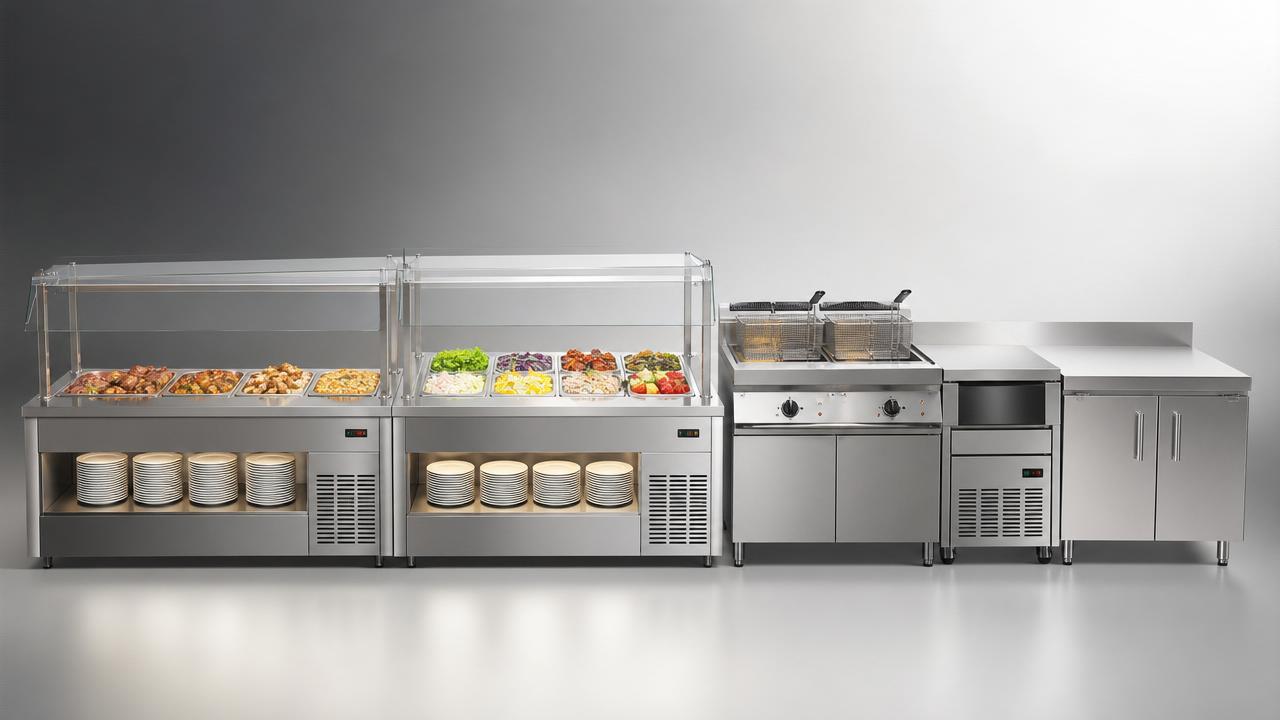
Choosing the right Buffet Table can make a major difference in service speed, food presentation, and overall workflow. For procurement professionals, the best option is not just about appearance—it must support smooth traffic flow, match operational needs, and deliver long-term value. This guide explains the key factors to evaluate so you can select a Buffet Table that keeps service moving efficiently.
What a Buffet Table should deliver in commercial foodservice
In the kitchen equipment sector, a Buffet Table is more than a serving surface. It is a working station that influences queue length, serving accuracy, food safety, and staff coordination. In hotels, canteens, banquet halls, and self-service restaurants, the right Buffet Table supports a faster guest journey while helping teams refill, clean, and monitor products with less disruption.
This is why the category receives growing attention from procurement teams. Service operations now demand flexible layouts, stronger hygiene control, and durable materials that can handle heavy daily use. A Buffet Table that looks attractive but slows movement or limits access can create operational friction very quickly.
Why the industry focuses on flow, not only appearance
A well-planned Buffet Table affects both front-of-house efficiency and back-of-house rhythm. If guests can identify dishes, move naturally, and reach serving points without crowding, throughput improves. At the same time, staff need enough access for replenishment, temperature checks, and cleanup. In practice, the best results come from balancing customer convenience with operator control.
For many facilities, the buffet line also connects with adjacent cooking or holding equipment. For example, a live-service or open kitchen concept may place the Buffet Table near equipment such as Electric Open Kitchen-Electric Double-Cylinder Fryer to support fresh output and reduce transport time. That connection makes layout planning even more important.
Key evaluation points for procurement teams
When comparing a Buffet Table, procurement professionals should review operational fit before visual finish. Focus on these core points:
- Capacity: Can the unit support expected meal periods and menu volume?
- Traffic design: Does it encourage one-way movement and reduce crossing paths?
- Material durability: Stainless steel, stone, or engineered surfaces should match cleaning intensity and usage frequency.
- Temperature support: Consider whether chilled, ambient, or heated sections are required.
- Maintenance access: Easy cleaning and service access reduce downtime.
- Modularity: Reconfigurable sections help operations adapt to breakfast, lunch, events, or seasonal demand.
Common Buffet Table applications in foodservice
Practical selection advice before you commit
Start by mapping the service journey from entry point to tray return. Measure not only floor space but also turning areas, refill routes, and guest pause points. A Buffet Table may fail operationally if condiments, plates, or beverage stations create bottlenecks around it. Procurement teams should also confirm utility needs, cleaning routines, spare part availability, and compatibility with surrounding kitchen equipment.
It is also useful to review future menu plans. If the operation may expand into live cooking, premium fried items, or themed stations, nearby equipment such as the Electric Open Kitchen-Electric Double-Cylinder Fryer can influence spacing, ventilation, and replenishment strategy. Planning for these connections early helps avoid expensive redesign later.
Final takeaway
The best Buffet Table is the one that supports smooth movement, protects food quality, and fits the real pace of service. For procurement professionals, success comes from evaluating workflow, durability, maintenance, and application type together. If you assess the Buffet Table as part of the full kitchen equipment system rather than as a standalone fixture, you will make a stronger long-term investment and keep service moving with less friction.
Send Us A Message