
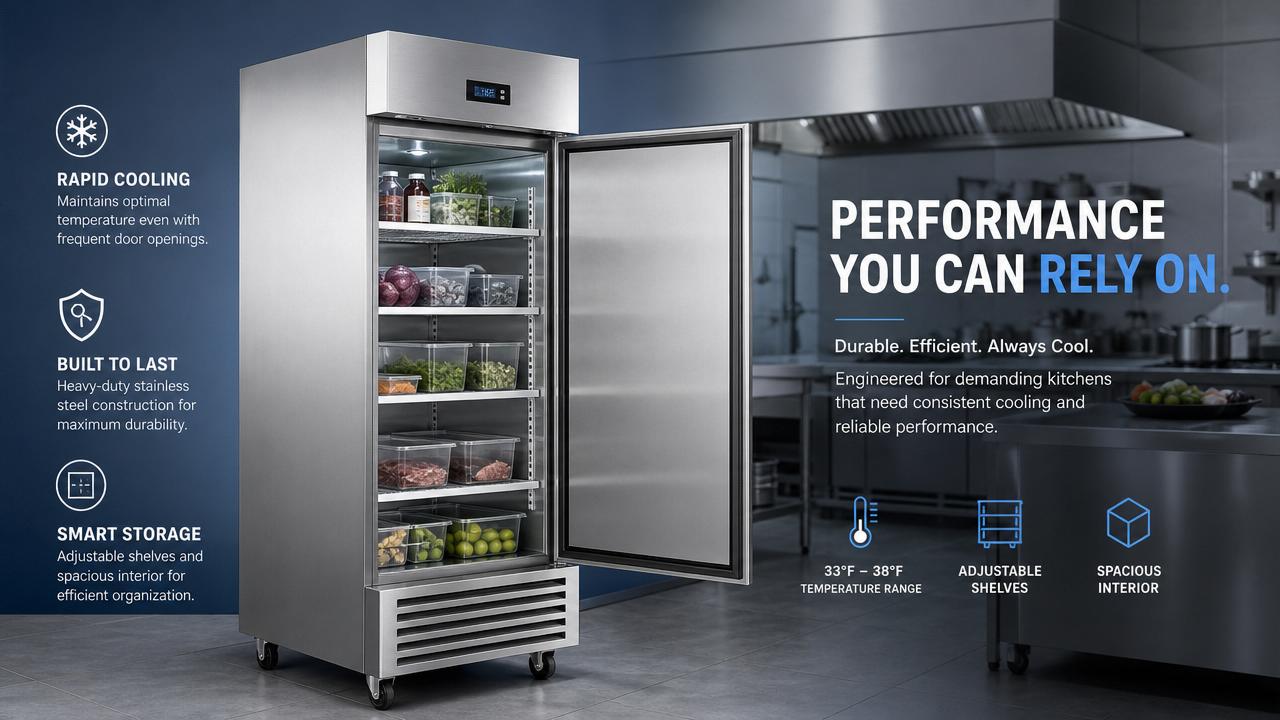
In high-turnover kitchens, choosing the right Refrigerator Series can directly impact food safety, workflow efficiency, and operating costs. For business decision-makers, the most valuable features go beyond basic cooling performance to include durability, storage flexibility, energy efficiency, and ease of maintenance. Understanding these priorities helps ensure every investment supports smoother daily operations and long-term profitability.
Why scenario differences matter when selecting a Refrigerator Series
A Refrigerator Series that performs well in a hotel banquet kitchen may not be the best fit for a quick-service restaurant, central kitchen, or convenience-based foodservice outlet. High-turnover environments move products fast, open doors frequently, and place heavy demands on refrigeration recovery. That means business buyers should assess not only capacity, but also how the unit supports peak-hour workflow, staff habits, menu complexity, and cleaning routines.
For commercial kitchen equipment planning, the smartest purchase decision comes from matching features to operating realities. In practice, the ideal Refrigerator Series should protect cold-chain consistency, reduce labor friction, and support profitable throughput rather than simply offering the lowest upfront cost.
Typical high-turnover kitchen scenarios and what each one needs
Different foodservice models create very different refrigeration priorities. A busy restaurant serving made-to-order dishes needs fast access and organized storage zones. A bakery or prep-heavy kitchen may prioritize tray compatibility and stable temperature retention. Institutional kitchens often need larger batch storage and stronger durability for long operating hours.
Features that matter most by application
1. Durability for nonstop use
In high-volume kitchens, doors, hinges, gaskets, and shelving take constant abuse. A durable Refrigerator Series should use commercial-grade stainless construction and components built for repeated opening and closing. This is especially important where multiple staff members share the same line during rush periods.
2. Storage flexibility for changing menus
Operations with seasonal promotions or varied prep routines need adjustable shelving, practical compartment layouts, and easy product separation. A flexible Refrigerator Series helps reduce clutter, improve stock rotation, and lower the risk of cross-contamination.
3. Energy efficiency for long operating hours
For kitchens running extended shifts, energy use becomes a strategic cost issue. Efficient insulation, stable compressors, and smart temperature control can significantly improve lifecycle value. Decision-makers comparing kitchen equipment should calculate total ownership cost, not just purchase price.
4. Easy maintenance to reduce downtime
A Refrigerator Series should be easy to clean, easy to service, and simple for staff to inspect. In high-turnover settings, downtime affects service speed and food safety at the same time. Removable shelving, accessible condenser areas, and smooth interior surfaces help operations stay consistent.
Common misjudgments in scenario-based buying
One common mistake is buying oversized refrigeration without considering aisle flow and staff movement. Another is prioritizing storage volume while ignoring recovery speed under repeated door openings. Some buyers also overlook how nearby hot-line equipment influences refrigeration efficiency. For example, when planning adjacent stations such as Electric Open-Top Griddle-Electric Griddle, it is important to evaluate heat exposure, ventilation, and line spacing together rather than selecting each unit in isolation.
How to match the right Refrigerator Series to your operation
Start with three questions: how often the unit will be accessed, what types of products it will hold, and how much disruption downtime would cause. Then review real kitchen constraints, including staff workflow, available space, and cleaning frequency. A well-selected Refrigerator Series should support faster replenishment, safer storage, and simpler supervision across shifts.
For business decision-makers, the best next step is to compare features against actual application scenarios instead of relying on generic specifications alone. When the Refrigerator Series aligns with your kitchen’s pace, menu structure, and labor model, it becomes a performance asset rather than just another appliance purchase.
Send Us A Message